Garden
Ecology, care & commons
A shared urban garden co-managed with Aterraterra and Palma Nana, bringing together ecological regeneration, environmental education and community participation through collective care and activities for all ages.
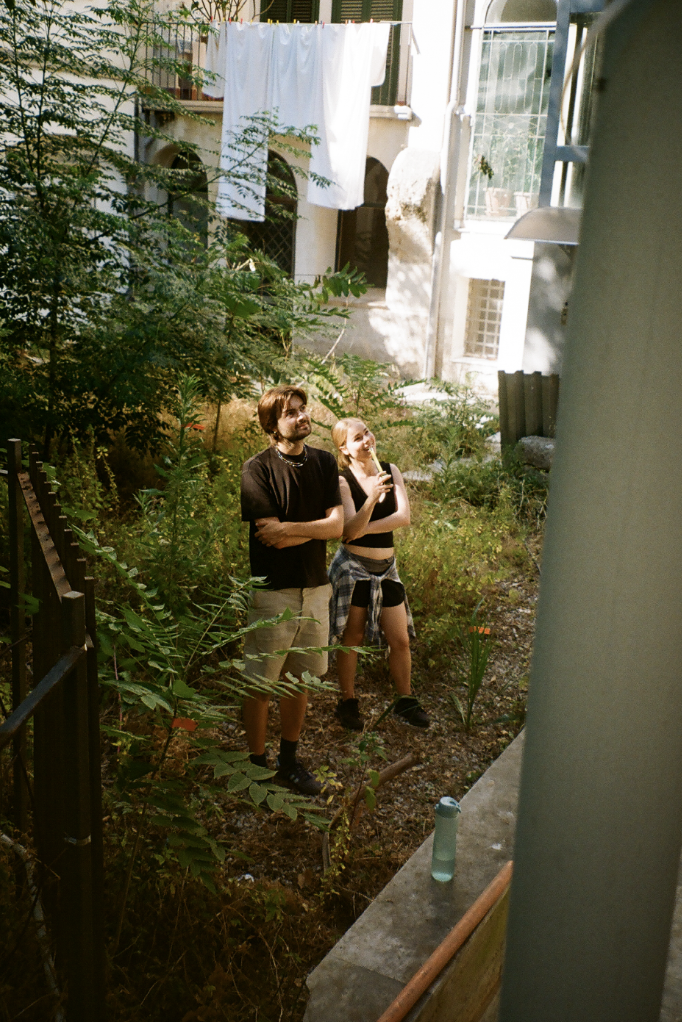
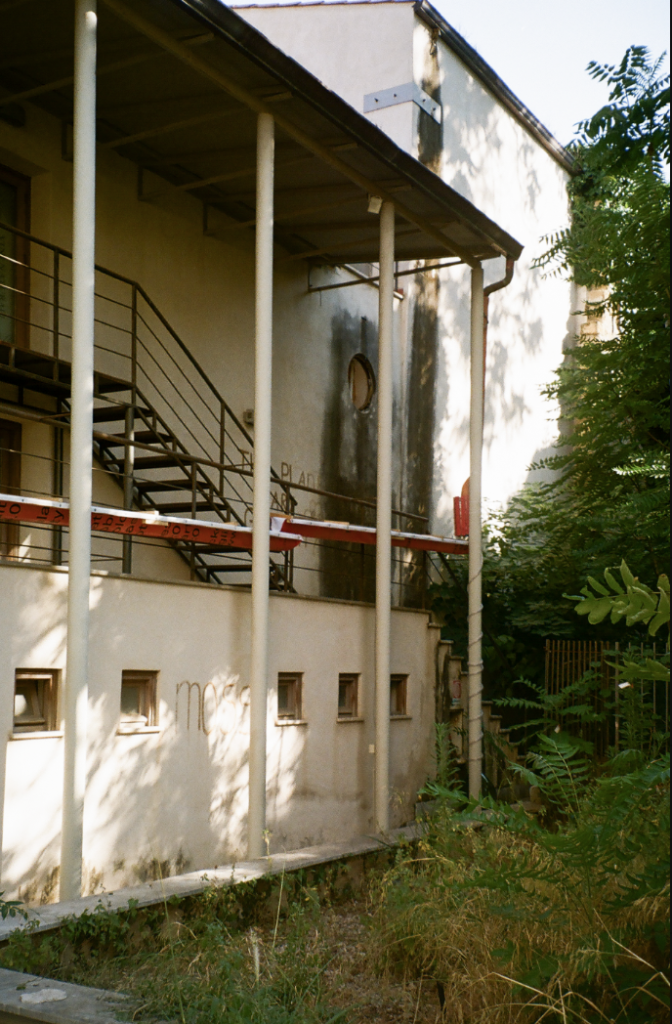
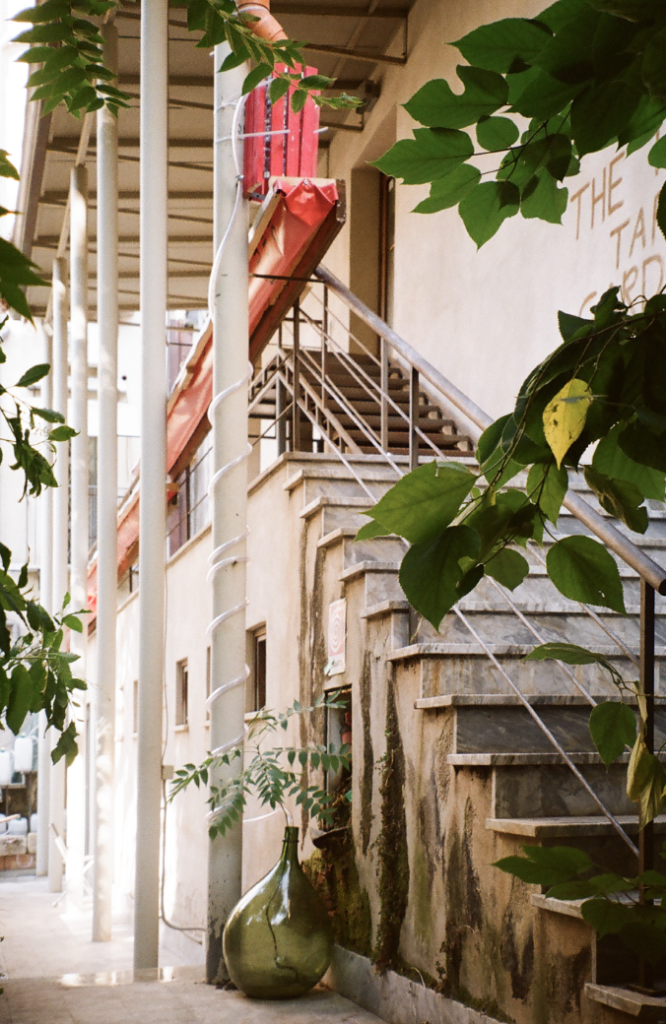
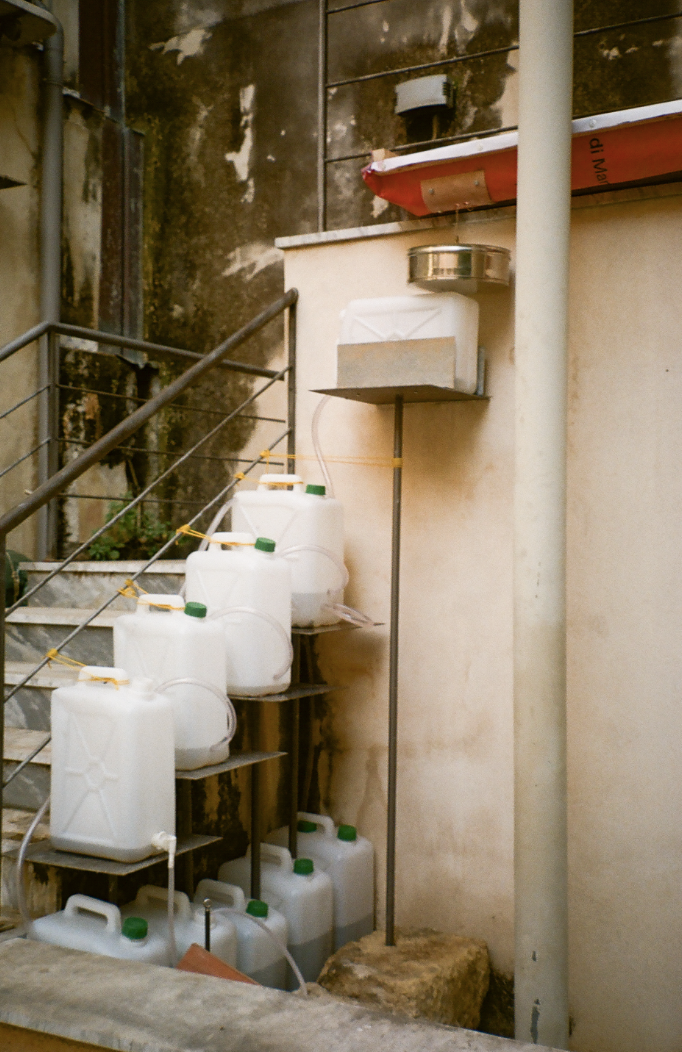
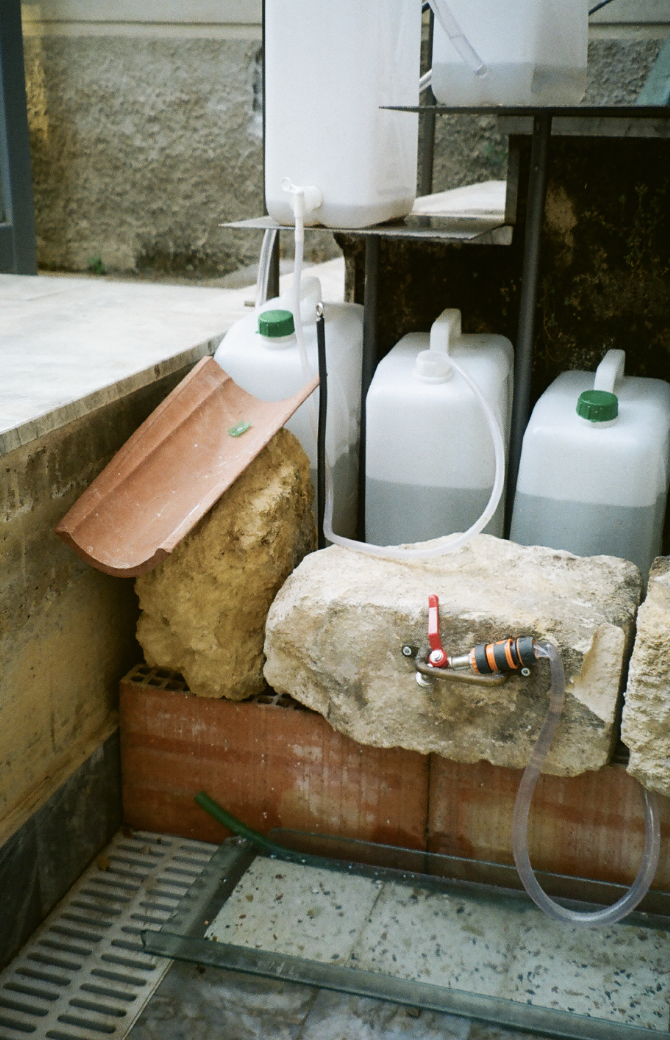
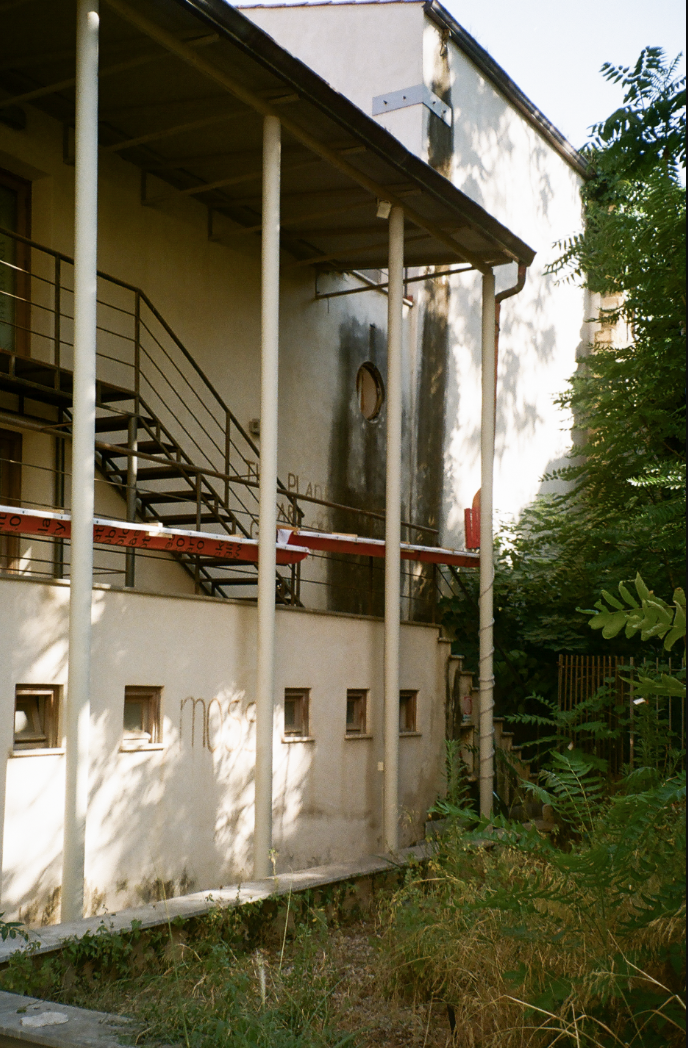
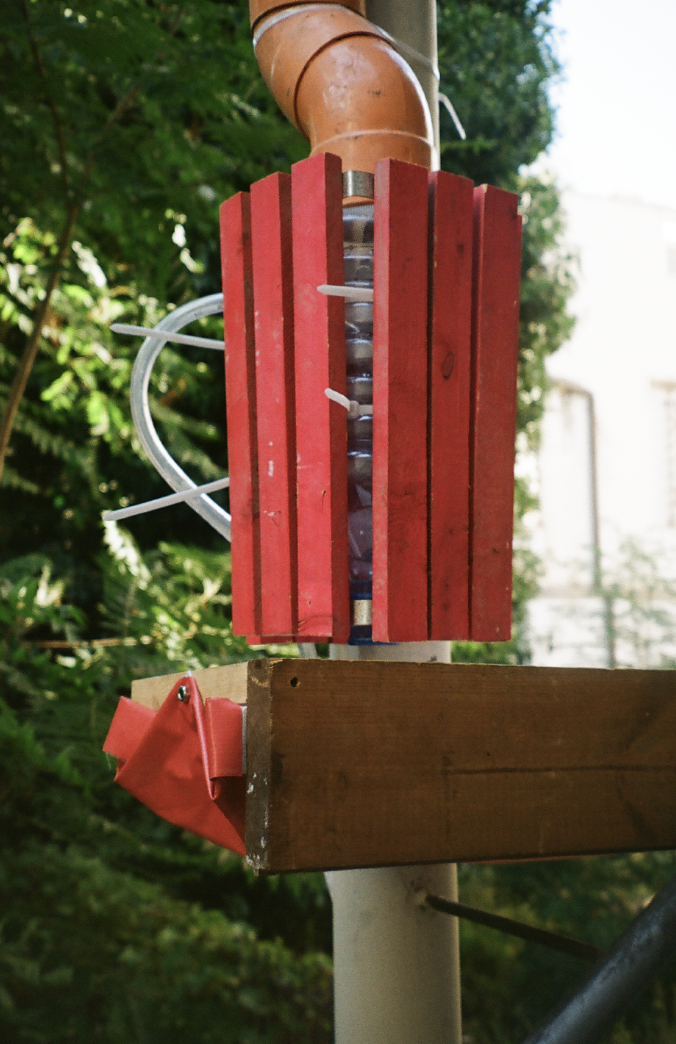
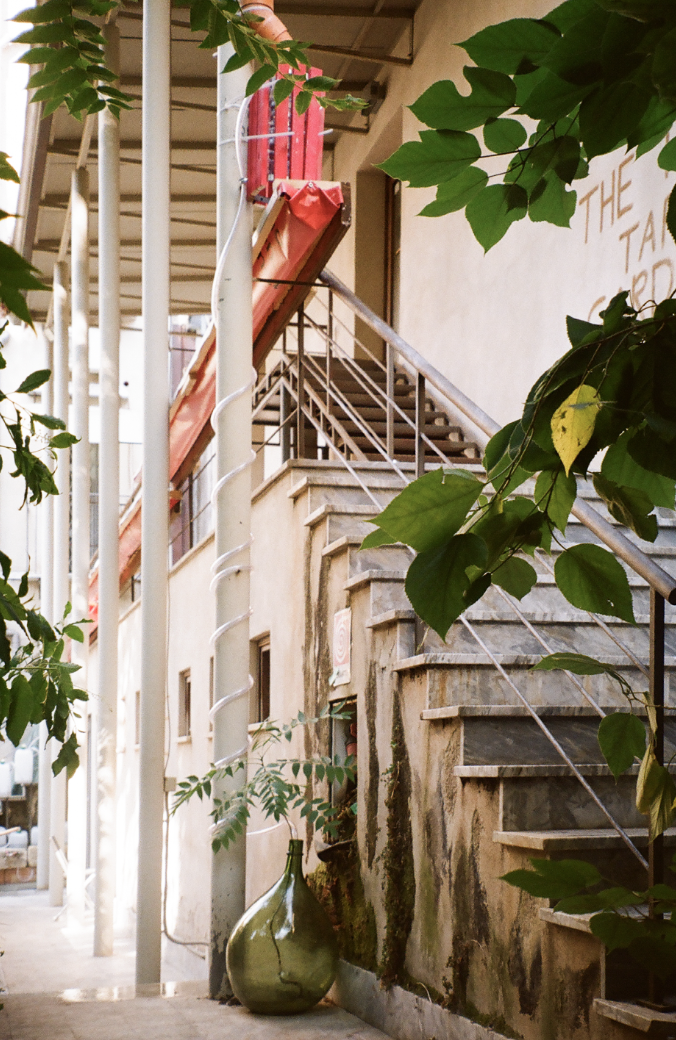
The garden of Teatro Garibaldi is conceived as a shared urban ecosystem: a space to inhabit, cultivate and reimagine collectively, where ecological practices, community participation and the relationship between people and nature come together. Co-managed by Aterraterra and Palma Nana, the garden will become an open laboratory for environmental education, urban biodiversity and collective care, connecting the theatre’s cultural programme with the ecological and social life of the Kalsa neighbourhood.
Aterraterra is an independent agricultural and cultural project exploring the relationships between food, ecology, land and community through regenerative practices, collective cultivation and alternative ways of living and producing. Palma Nana is an environmental education organisation based in Sicily, with extensive experience in environmental awareness, ecological education and participatory activities connecting people with nature and their territories.
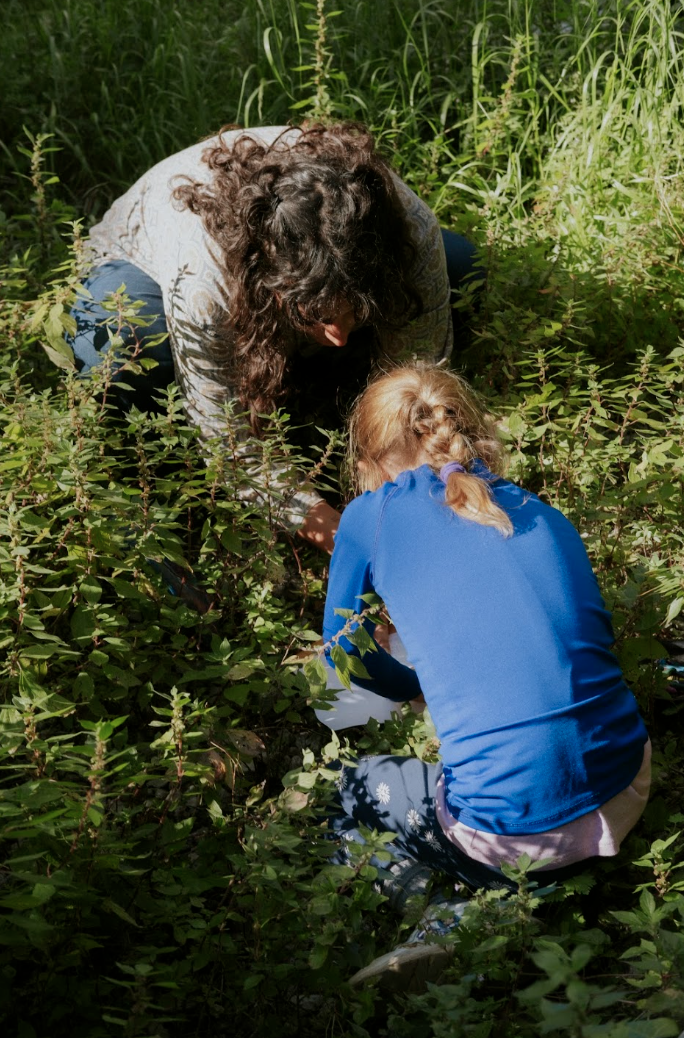
Together with Fondazione Studio Rizoma, the two organisations will develop a shared management model based on ongoing care, programming and community involvement. Aterraterra will contribute its experience in urban cultivation, biodiversity and sustainable food practices, while Palma Nana will coordinate environmental education activities, workshops and participatory initiatives for children, families and adults. The foundation will provide the institutional framework and connect the garden’s activities with the wider cultural programme of Teatro Garibaldi.
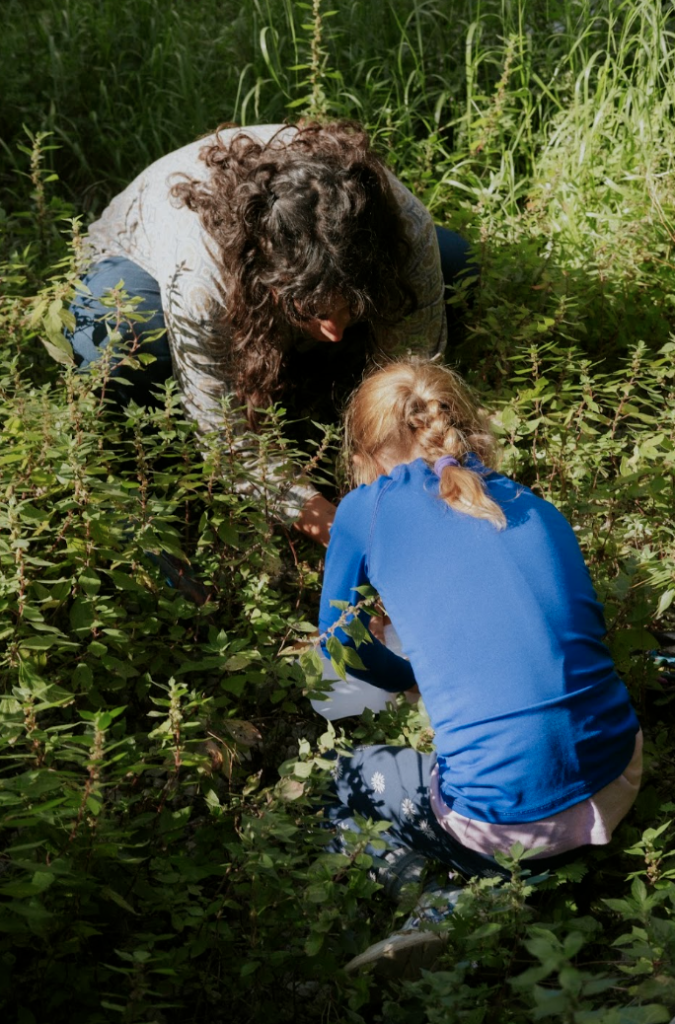
Through collective gardening sessions, workshops, environmental education, seasonal activities and public gatherings, the garden will offer opportunities for people of all ages to learn, participate and take responsibility for a shared space. More than an outdoor area, it will become a living laboratory for imagining new relationships between culture, ecology and urban life, demonstrating how common spaces can be cared for and transformed through collective action.